





Investing in the stock market can be a daunting task, especially for those new to the world of equities. With thousands of stocks to choose from, it’s easy to feel overwhelmed. That’s where stock screeners come in – powerful tools designed to help investors and traders navigate the complex world of stocks. By filtering stocks based on specific criteria, such as financial ratios, technical indicators, and performance metrics, stock screeners can save hours of manual research and help you find the best investment opportunities. In this article, we’ll explore how to use a stock screener effectively, what their ratings really mean, and the key features that make a stock screener great.
What Is a Stock Screener?
A stock screener is a digital tool that allows you to filter and search stocks based on various parameters, such as financial ratios, technical indicators, sector classifications, and performance metrics. These screeners are typically provided by financial websites, brokerage platforms, or as standalone software. By applying customized filters, stock screeners help identify stocks that align with your investment strategy or goals, making it easier to find the best stocks to buy.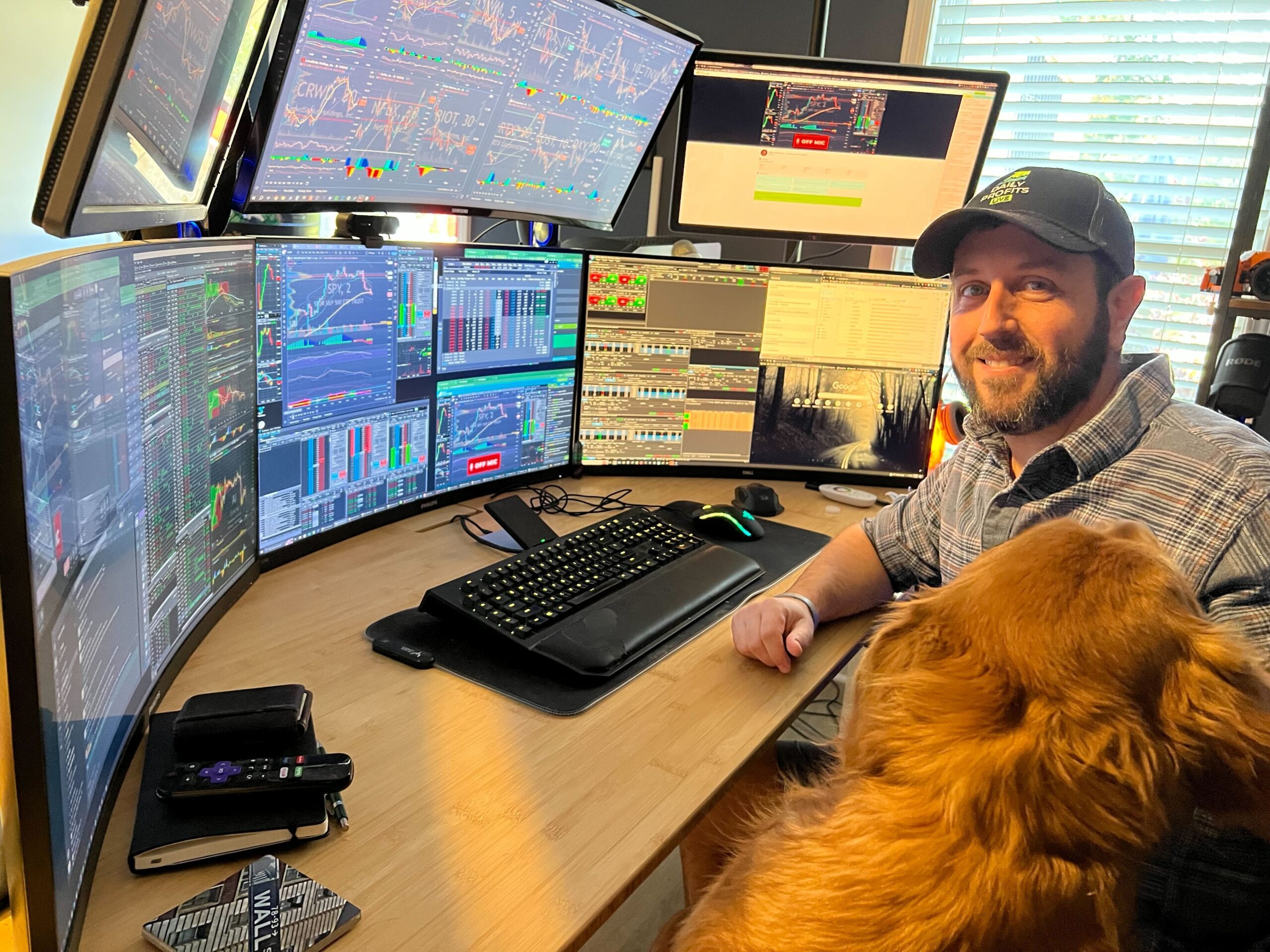
Key Features of Stock Screeners
1. Filtering Capabilities
A great stock screener offers an extensive range of filters, including:
- Fundamental: P/E ratio, EPS, ROE, revenue growth, dividend yield, and other key metrics.
- Technical: Moving averages, RSI, MACD, price breakouts, and other technical indicators.
- Descriptive: Sector, industry, exchange, market cap, and other descriptive metrics.
2. Preset Screens
Most screeners come with built-in templates tailored to common investment strategies like growth investing, value investing, or dividend income, making it easy to get started with your investment journey.
3. Customization & Real-Time Data
Advanced screeners allow you to build and save custom screens, often with real-time data, enabling you to make informed investment decisions quickly and efficiently.
4. Backtesting & Alerts
Top-tier tools also include backtesting capabilities and custom alerts, enabling you to test your investment strategies and monitor opportunities as they arise, helping you stay ahead of the market.
How to Use a Stock Screener Effectively
Step 1: Define Your Investment Goals
Are you looking for growth, value, income, or momentum? Your investment goals will dictate your filter selection, so it’s essential to define them clearly before starting your search for the best stocks to invest in.
Step 2: Select the Right Filters
- Value Investors: Look for low P/E, high ROE, consistent earnings, and other value investing metrics.
- Growth Investors: Focus on high EPS growth, revenue acceleration, and other growth investing metrics.
- Momentum Traders: Look for strong price trends, high volume, bullish technical signals, and other momentum trading metrics.
Step 3: Analyze and Validate Results
Once you have a shortlist of potential stocks, do deeper research, reading earnings reports, analyzing financial statements, and considering macroeconomic factors before making informed investment decisions.
How Accurate Are Stock Screeners?
Stock screeners are accurate in reflecting quantitative criteria but have limitations. Their accuracy hinges on:
- Data quality: Are they using up-to-date and reliable data sources?
- Methodology: Do the filters and ratings reflect meaningful insights or superficial criteria?
While they don’t account for qualitative factors like management quality, industry dynamics, or competitive advantage, stock screeners are invaluable for narrowing down choices and spotting trends in the stock market.
What Do Screener Ratings Mean?
Many screeners offer proprietary scoring systems. Here’s what they typically reflect:
| Rating Type | What It Measures | Limitation |
|---|---|---|
| Valuation | P/E, EV/EBITDA, PEG, and other valuation metrics. | May favor undervalued but weak stocks. |
| Growth | Revenue, EPS growth, and other growth metrics. | Can ignore sustainability or valuation. |
| Profitability | Margins, ROE, ROA, and other profitability metrics. | May overlook reinvestment needs. |
| Momentum | RSI, moving averages, price trends, and other momentum metrics. | Sensitive to market fluctuations. |
| Analyst Ratings | Wall Street consensus and other analyst ratings. | Subject to bias or conflicts of interest. |
Important: Ratings are helpful, but they are starting points, not conclusions. Always look under the hood and do your own research before making investment decisions.
What Makes a Stock Screener Great?
A top-tier stock screener should include:
- Comprehensive Filters – Across fundamental, technical, and descriptive data, helping you find the best stocks to invest in.
- Real-Time or Near-Real-Time Data – Essential for active traders who need to stay up-to-date with market movements.
- User-Friendly Interface – Efficient layout with intuitive controls, making it easy to navigate and use the screener.
- Customization & Saved Screens – Tailor and store your investment strategies for easy access and reuse.
- Backtesting Capabilities – Validate your screening logic with historical data to refine your investment approach.
- Alerts and Automation – Get notified when opportunities arise, and automate your investment decisions with ease.
- Integrated Research Tools – Access to news, earnings, and analyst reports, providing a comprehensive view of the stocks you’re interested in.
Final Thoughts
Stock screeners are indispensable for serious investors, helping you cut through noise, stay consistent in your investment strategy, and make data-informed decisions. However, no screener is a crystal ball. Use them as the first filter, not the final decision-maker. Combine screener results with qualitative analysis, current market conditions, and your unique financial goals for best results.
Would you like help setting up a custom screener strategy? I can walk you through building one tailored to your investment style and goals, helping you achieve success in the stock market.
Hi, I’m Russ Amy, and I’m passionate about all things money, tech, and occasionally, music, or other interests and how they relate to investments. Way back in 2008, I started exploring the world of investing when the financial scene was pretty rocky. It was a tough time to start, but it taught me loads about how to be smart with money and investments, and I’ve been hooked ever since.
I’m into stocks, options, and the exciting world of cryptocurrencies, always looking for new opportunities to grow my wealth. Plus, I’m a tech enthusiast, and I love staying updated with the latest gadgets and trends. I believe that staying updated with technology is key for anyone interested in making wise investment choices today, as it’s constantly changing and evolving.
Technology is revolutionizing our world by the minute, from blockchain transforming how money moves around to artificial intelligence reshaping jobs. I think it’s crucial to keep up with these changes, or risk being left behind in the investment world. By combining my knowledge of investing and technology, I aim to help others make informed decisions and achieve their financial goals.